

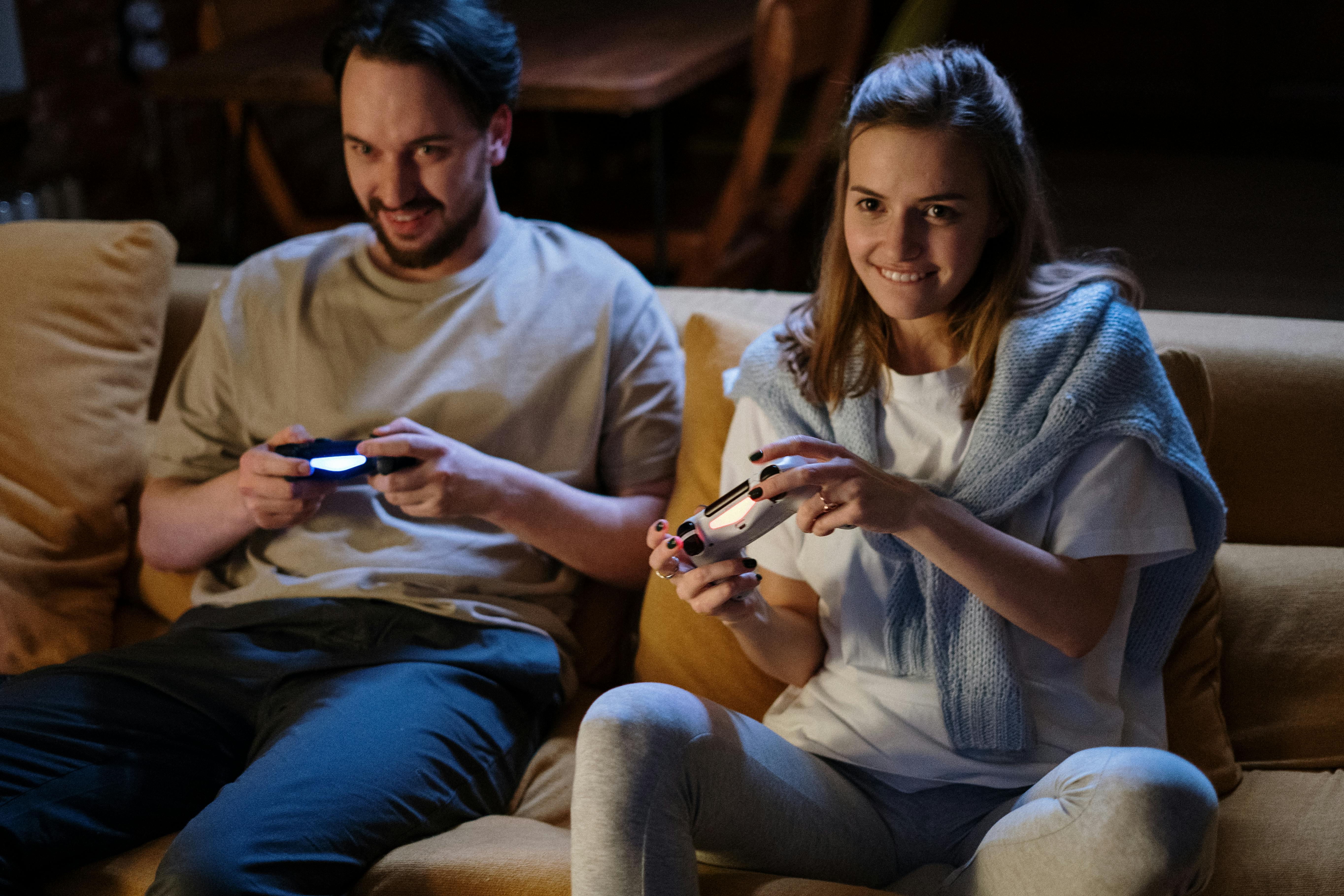
Back in the day, “entertainment” meant waiting a week for your favorite TV show, hauling DVDs to a friend’s house, or physically lining up for a concert ticket. But now? Everything’s just a click away. The rise of digital entertainment has redefined how we unwind, connect, and escape—and it’s not slowing down anytime soon.
From binge-watching shows to battling it out in virtual arenas, the digital age has completely reshaped the landscape. Streaming services, online games, virtual concerts, and interactive platforms are no longer just pastimes—they’re central to how we experience joy, creativity, and even community.
The Convenience Culture
Let’s start with the obvious: convenience. Digital platforms are built to serve content on-demand, whenever and wherever you want. Got five minutes while waiting for your coffee? There’s a quick game or TikTok for that. Want to decompress after work? Stream an entire season without leaving the couch.
This always-on accessibility has made digital entertainment a default setting in our lives. We’ve essentially turned our phones into handheld amusement parks—where every app leads to a new ride. And that level of accessibility changes how deeply people engage. A 10-minute scroll can lead to an hour-long rabbit hole of gameplay, music, or niche videos.
A New Kind of Game Night
Gone are the days when game night meant dusting off a board game and hoping you remembered the rules. Today’s version could be anything from streaming a competitive eSports match to teaming up in an online battle royale with friends across different time zones.
Gaming, especially, has exploded. And it’s not just about the hardcore crowd anymore. Casual gaming is everywhere, drawing in players with diverse interests. Puzzle apps, word games, immersive narratives—there’s something for everyone. The appeal is simple: immediate fun, no prep required, and often, free to start.
Even traditionally offline formats have gone digital. Classic card games, trivia nights, and puzzle challenges now have sleek, interactive versions online. Some platforms, like slot sites, have found success by combining nostalgia and innovation—offering the kind of engagement that’s easy to jump into and hard to put down.
The Rise of Micro-Entertainment
One of the most fascinating trends in digital entertainment is the rise of bite-sized content. Reels, TikToks, Shorts—they’ve trained our brains to crave short bursts of amusement. These formats thrive on creativity, surprise, and speed. You don’t need high production value to go viral; all it takes is a clever twist and a camera.
This shift has democratized content creation. Anyone with a phone can be a filmmaker, a comedian, or a performer. And viewers reward authenticity just as much—if not more—than polish.
Streaming Wars and the Power of Choice
Let’s not forget the titans of streaming. Netflix, Disney+, Hulu, and more offer a buffet of content we couldn’t have dreamed of 20 years ago. Want to watch a French crime drama, a Korean romcom, or a 90s cartoon? You can. The variety is both a gift and a curse—hello, endless scrolling—but it shows just how far digital entertainment has come.
And it’s not just about watching. Interactive storytelling has gained traction too. Some platforms now allow viewers to choose how a story unfolds, blurring the line between show and game. It’s passive entertainment turned active—a fresh way to stay engaged.
Virtual Gatherings and Shared Experiences
When the world locked down during the pandemic, digital platforms stepped up. Virtual concerts, livestreamed workouts, online trivia nights, and group watch parties filled the void left by in-person hangouts. These weren’t just stopgaps—they became new forms of gathering.
Even now, many prefer this virtual format for its ease and reach. You can attend a live concert in London from your living room in Manila. You can battle in a tournament without ever stepping outside. For introverts, people with mobility issues, or anyone craving flexibility, it’s a game-changer.
The Role of Personalization
Algorithms have become the unsung heroes (and sometimes villains) of digital entertainment. Love cooking videos? Here’s ten more. Obsessed with cozy horror games? We’ve got suggestions. The more you engage, the more platforms tailor your experience.
This level of personalization makes entertainment feel custom-made. It’s both eerie and impressive—like your screen knows you better than your friends do. While this can sometimes trap users in a digital echo chamber, it also ensures a smoother, more relevant experience.
A Word on Digital Wellness
As much as we love our screens, balance is key. The sheer accessibility of digital fun can be both a blessing and a challenge. It’s easy to overdo it—one more episode, one more level, one more scroll.
That’s why smart entertainment is all about intentional engagement. Choose what truly entertains you. Seek out platforms that prioritize user safety and encourage healthy breaks. Whether you’re browsing slot sites for a quick thrill or binge-watching a docuseries, the best experiences are the ones you walk away from feeling better, not drained.
Final Thoughts
Digital entertainment is no longer a side dish—it’s the main course. It’s how we relax, bond, explore, and sometimes even heal. From games to streaming, bite-sized content to virtual hangouts, our screens have opened doors to worlds we never imagined.
